88.2%
RLBench Simulation Manipulation Success Rate

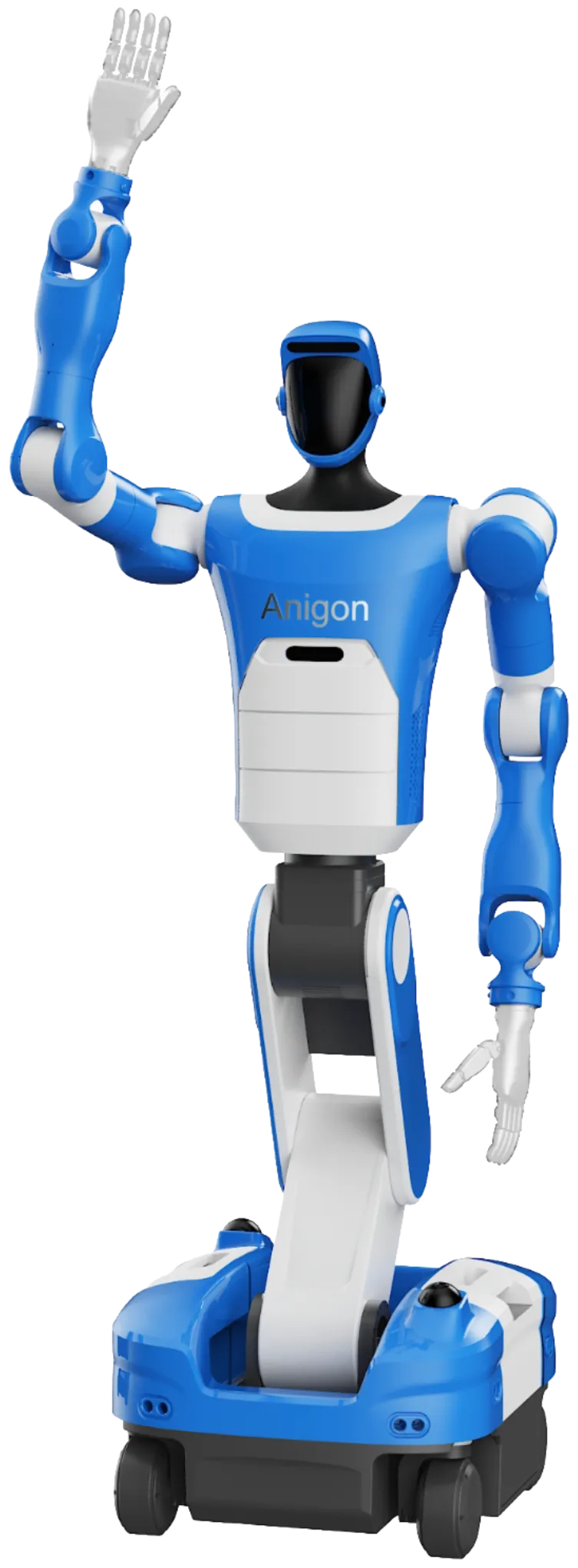
High-precision engineering and manufacturing designed for reliable, long-term real-world operations.
Compliance deeply engineered into the robot hardware, control system, and deployment workflow.
Open interfaces for ERP, MES and WMS. Robots receive tasks directly from existing operational processes.
Deployment, service and supply capabilities designed for European operations and strict enterprise data privacy.
Measured under defined conditions
Every product specification and performance claim is linked to configurable test conditions, evidence, evaluation methods and limitations.
88.2%
RLBench Simulation Manipulation Success Rate
97%
Defined Base-Task Success Rate in Complex Real Environments
3–5
Real Demonstrations for Typical Task Adaptation
1%
Data Requirement Compared with Selected Traditional Pipelines
28 DoF
Full-Body Degrees of Freedom
24/7
Continuous Operation with Dual Hot-Swap Batteries
Embodied intelligence system
A unified stack connects vision, language, geometry, touch, force, action and human feedback to real robot behavior.
A few-shot, end-to-end foundation model that preserves spatial structure across perception, language and action.
Spatial heatmaps
A multimodal model for contact-rich manipulation, tactile understanding and real-time physical correction.
Contact intelligence
Anigon
Embodied
Intelligence Core
A predictive model that evaluates candidate actions and visualizes likely outcomes before execution.
Predictive control
A closed-loop approach combining demonstrations, interventions, recovery data and outcome-based reinforcement learning.
Continual improvement
Embodied manipulation foundation model
Adapt to new tasks, environments and robot platforms with only a small number of real-world demonstrations.
Before
After
Learning spatial keypoints, object relationships, interaction patterns and motion trajectories from large-scale human operation videos.
Aligning visual-language representations and action policies at the spatial heatmap level.
Adapting typical tasks with only a small number of real-world demonstrations, subject to task complexity, hardware configuration and environmental conditions.
Vision-language-tactile-action
Contact becomes a first-class signal for precision insertion, compliant grasping, slip recovery and manipulation when vision is incomplete.
Camera View
Vision-Tactile Fusion
Tactile Pressure Map
Embodied world model
A predictive interface compares candidate actions, visualizes likely outcomes and evaluates risk before the robot commits to execution.
Real-time Perception
Capture live visual feeds and robot sensor data to establish ground truth state.
Frame Rate
60 FPS
Latency
<5ms
World Model Forward Pass
Generate multiple future trajectories conditioned on candidate actions using the predictive model.
Candidates
5
Horizon
2.0s
Risk Assessment
Score each candidate against safety constraints, task objectives, and kinematic limits.
Check Rate
1000/s
Threshold
0.95
Validated Action
Dispatch the highest-scoring trajectory to the robot controller with confidence bounds.
Confidence
98.7%
Dispatch
42ms
Joint embeddings from RGB, depth, proprioception, and language instructions.
Latency-optimized forward passes with adaptive compute allocation.
Zero-shot transfer to novel scenes via pretrained visual priors.
Continual learning and recovery
The robot learns not only how to succeed, but also how to recover when execution deviates from the intended task.
Human Demonstration
Imitation Learning
Autonomous Execution
Human Intervention
Error Recovery
Reinforcement Learning
Continual Improvement
Normal execution
Deviation
Human intervention
Recovery
Policy update
Embodied data technology
Data efficiency comes from representing motion, viewpoint, uncertainty and interaction structure around the task the robot must perform.
Extract task-relevant hand, object, motion and occlusion relationships from human operation video.
Synthesize a task-relevant virtual camera view from multiple visual inputs without requiring 3D rendering in the interface.
Expand demonstrations across viewpoints through motion retargeting and generative video completion.
Detect uncertainty, revisit important regions and preserve task-relevant visual evidence over long horizons.
ANIGON FA-L series
A mobile humanoid platform combining force-controlled arms, integrated sensing, edge computing, hot-swap power and enterprise deployment interfaces.
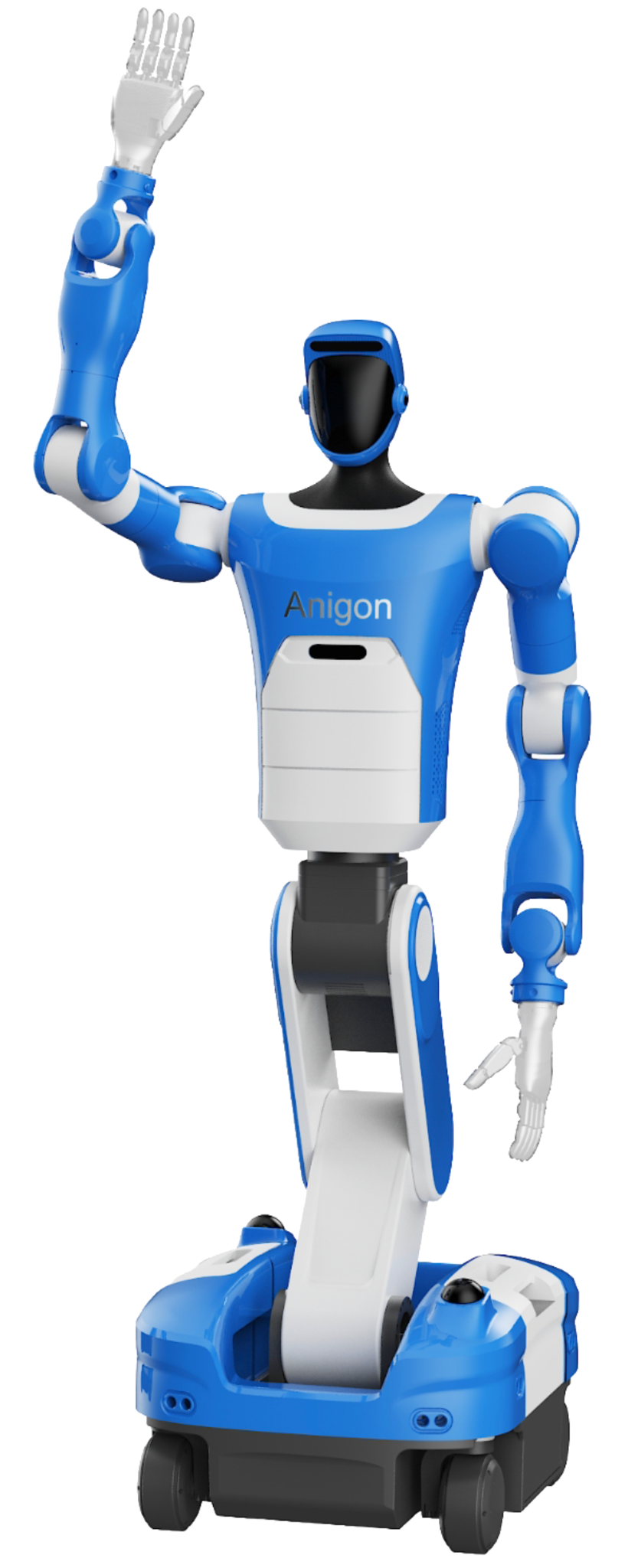
ANIGON FA-L Series · Wheeled Humanoid Platform
Subject to operating mode and site policy.
With battery rotation, maintenance and duty-cycle planning.
Hotspot map
Integrated compute controller
A local compute and control architecture keeps multimodal inference close to the robot while separating safety-critical control from model execution.
Module
Module
Module
Module
Module
Module
Low-Latency Local Inference
Reduced Cloud Dependency
Model-Control Co-Design
Real-Time Multimodal Processing
Industrial-Grade Stability
Safety-Control Separation
Model inference proposes actions. A separate safety control layer applies validated limits, site rules and emergency behavior before commands reach actuators.
Robot demonstration
Demonstration media can be linked directly to task definitions, robot configuration, test conditions and limitations.
Task execution and visual flow validation
Video demonstration 1: Humanoid platform performs high-precision tactile manipulation tasks.
Industry deployment
Structured case studies connect business context, robot configuration, workflow, measured value, deployment conditions and supporting evidence.
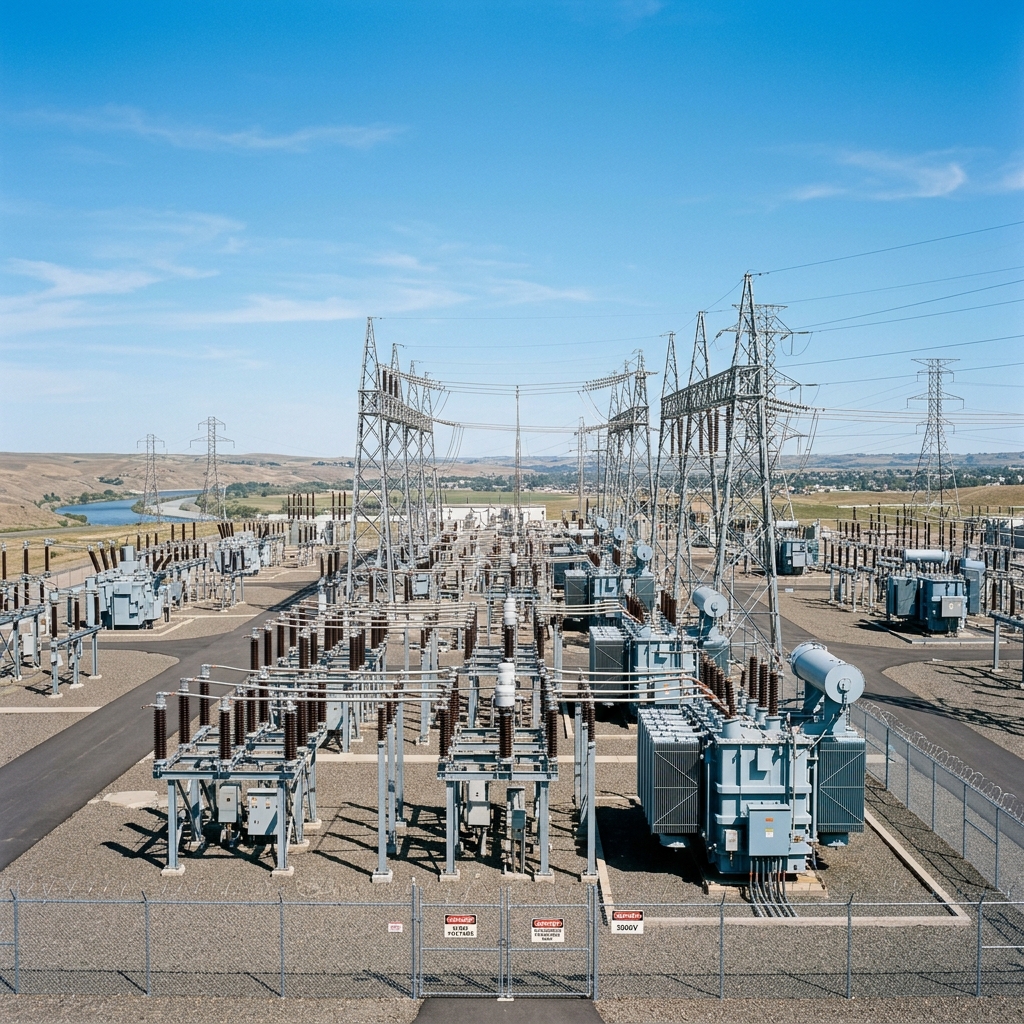
A wheeled humanoid workflow for navigation, target recognition, area alignment and compliant manipulation in selected power-grid environments.
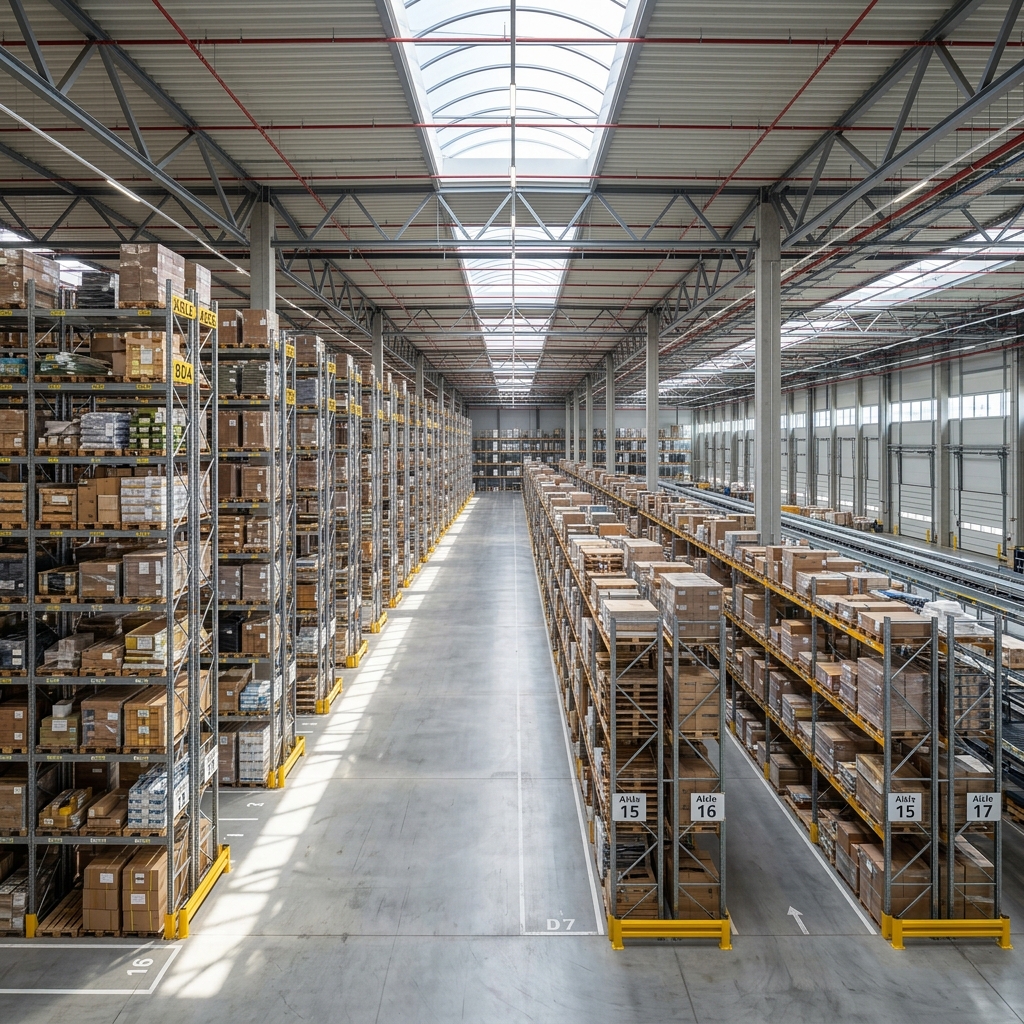
Mobile manipulation for picking, cross-area transport, precision placement, retrieval and return-to-origin workflows.
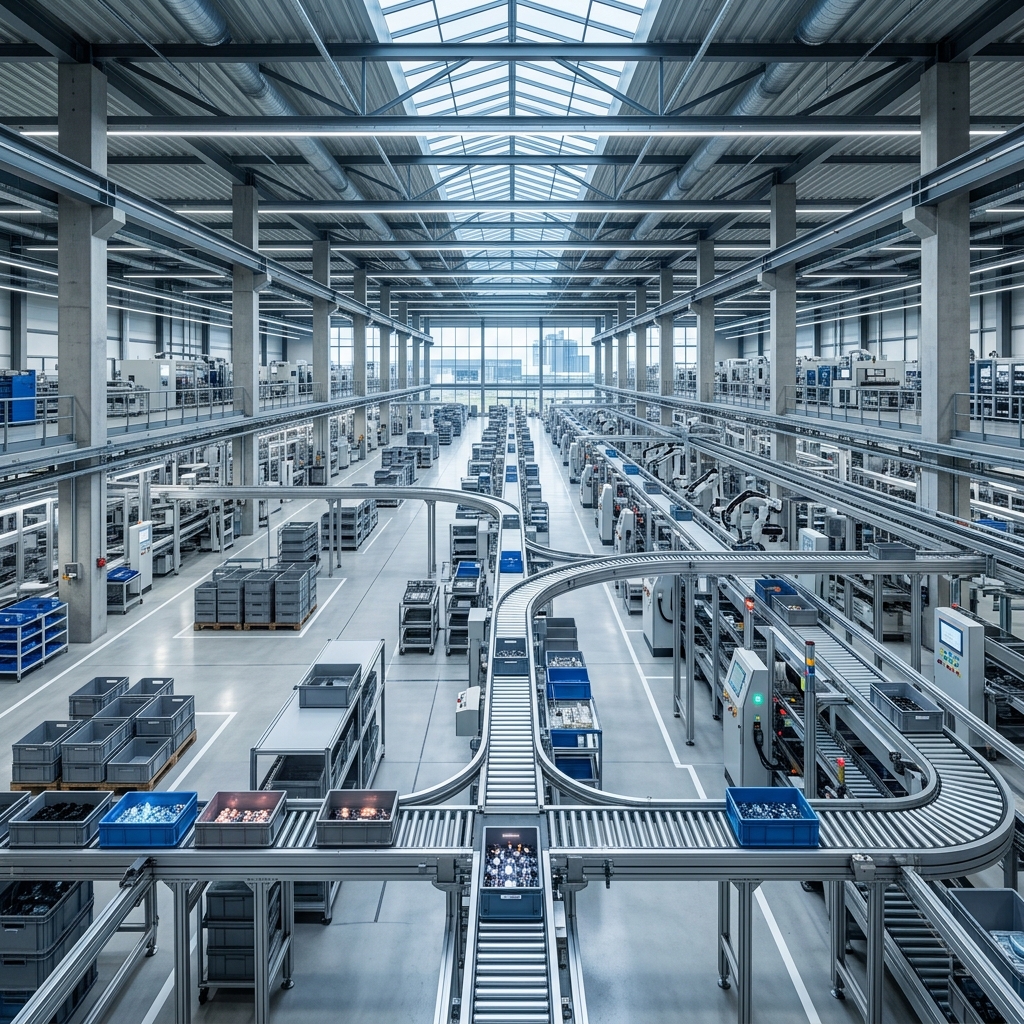
A shared robot platform for industrial loading, container transport, beverage delivery and language-directed mobile manipulation.
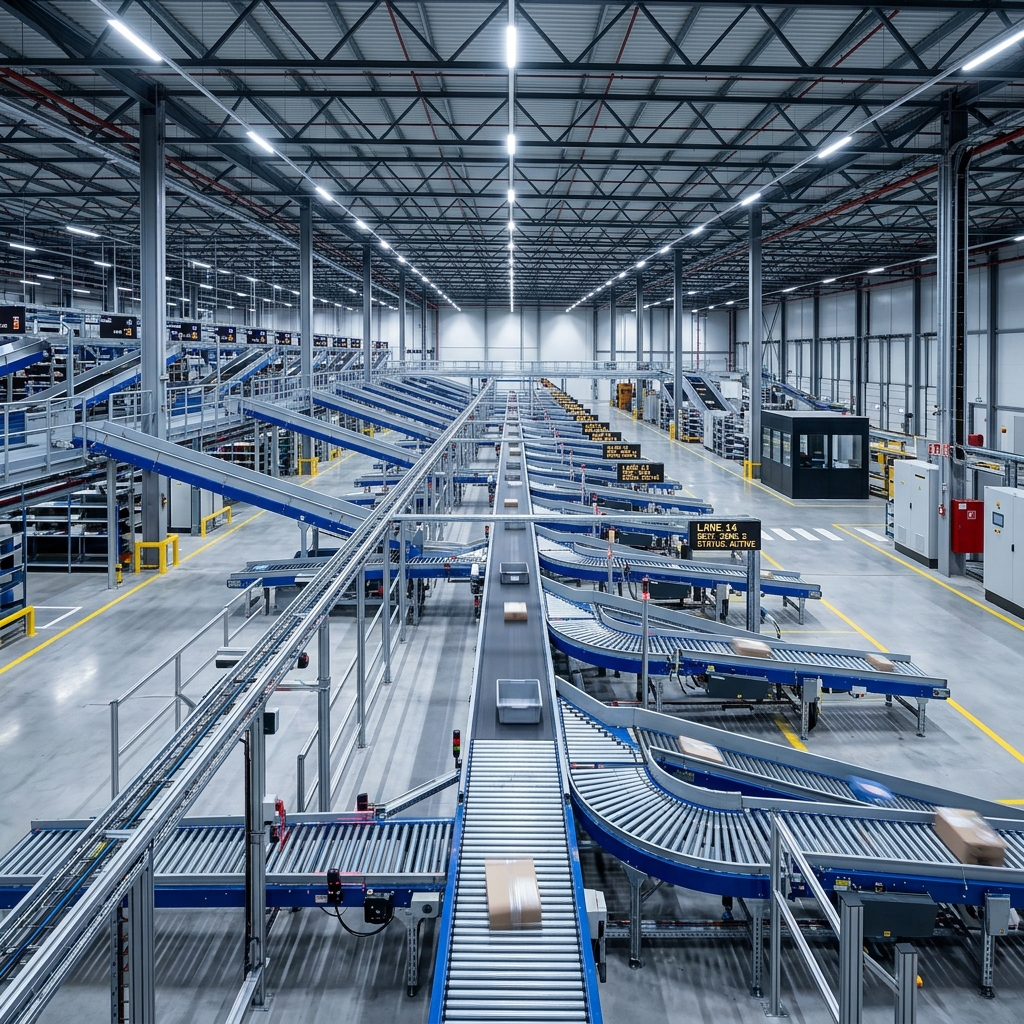
A data pipeline that combines VR teleoperation, motion mapping, simulation, world-model-generated data and few-shot deployment.
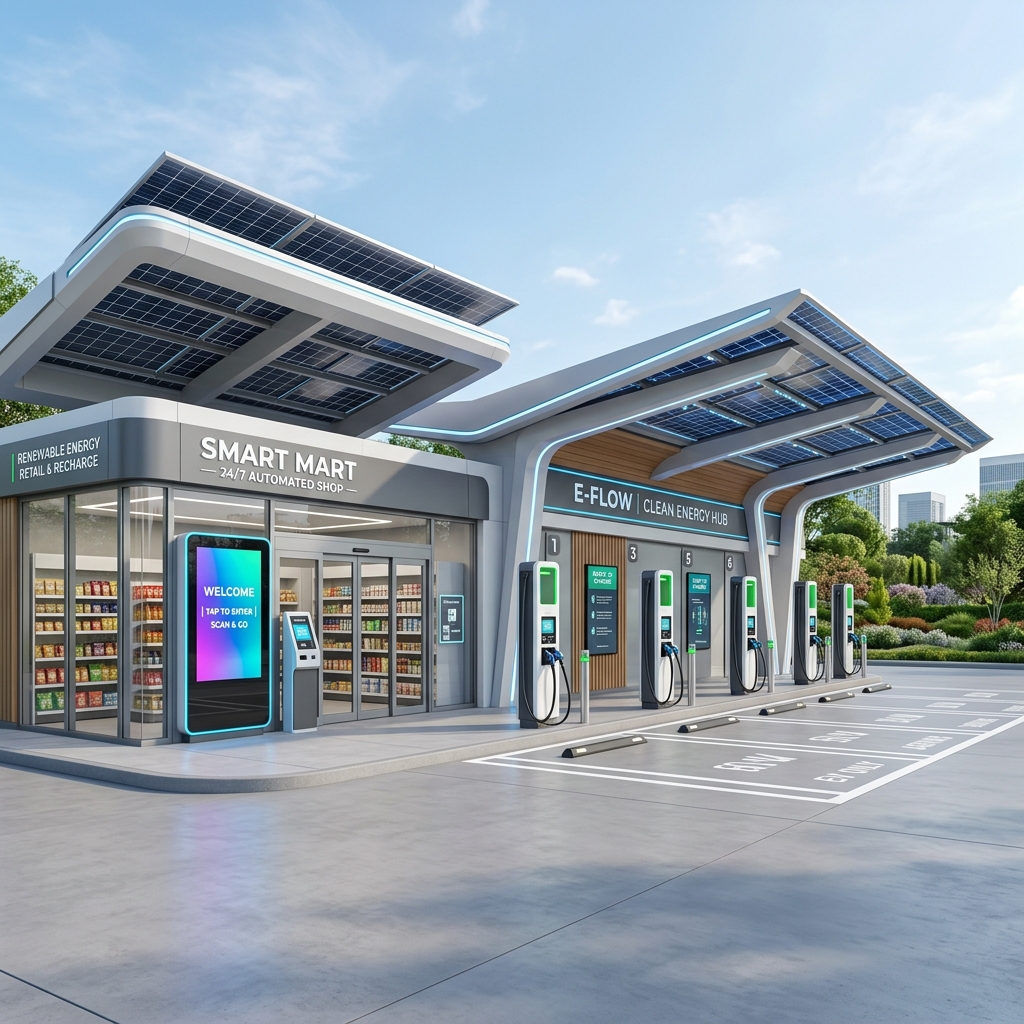
A multi-service workflow covering vehicle guidance, charging support, shelf inspection, replenishment and store assistance.
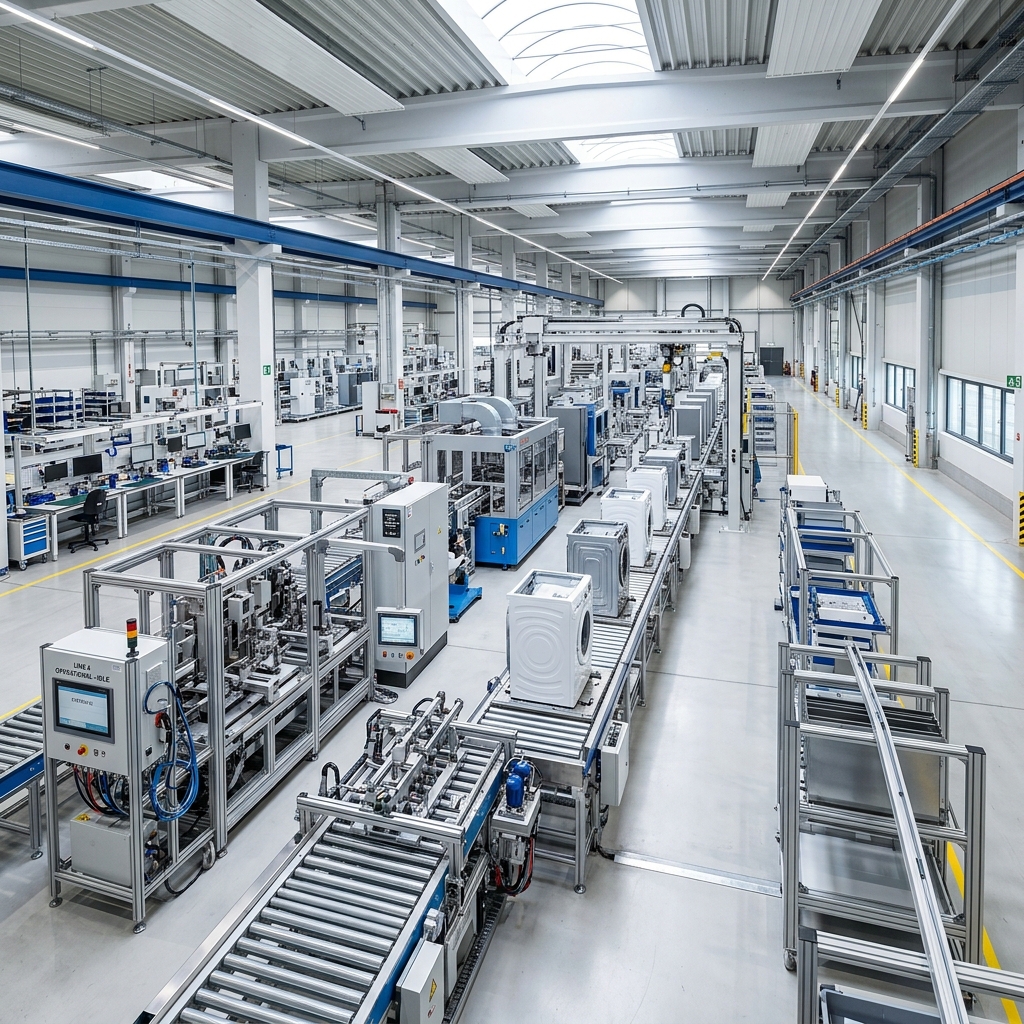
A coordinated inspection cell for model recognition, door opening, water injection, activation, turntable inspection and leakage scanning.
Platform architecture
Hardware, data, perception, models and applications form a closed loop in which execution results continuously return as new evidence.
Research and validation
Benchmark results, real-robot comparisons, heatmaps, world-model outputs and recovery analysis are organized around reproducible validation records.
Research Paper
A technical validation record for preserving spatial structure across vision, language and action in FAM.
Research Preview
A research preview for tactile pressure, force feedback and vision-tactile fusion in contact-rich manipulation.
Benchmark Results
A world-model validation record for predicting visual consequences, comparing candidate actions and identifying possible collision risk.
Service, compliance and data sovereignty
Deployment readiness combines safety architecture, integration pathways, local inference, auditability, configurable data policies and lifecycle support.
Safety control separated from model inference.
Rule-based constraints for critical actions.
ERP, MES and WMS integration readiness.
Local or customer-specified deployment environments.
Configurable data policies and deployment boundaries.
Task logs and execution replay.
Service coverage designed for European operations.
Planned updates, inspection and support workflows.
Compliance depends on product configuration, intended use, deployment environment, integration scope and applicable local requirements. Assessment records, test evidence and legal review should be linked before external claims are published.
Platform value
ANIGON connects research depth with industrial engineering, enterprise integration and the operating discipline required for real-world deployment.
Adapt typical tasks with significantly reduced real-world demonstration requirements.
Preserve spatial structure through two-dimensional and three-dimensional representations.
Combine vision, language, touch, force, action and environmental feedback.
Integrate models, robotic hardware, edge computing, safety control and enterprise systems.
Deploy in the real world
From task assessment and data collection to model adaptation, robot deployment, system integration and continuous optimization.